
What Is a 1984 Penny Worth to Collectors?
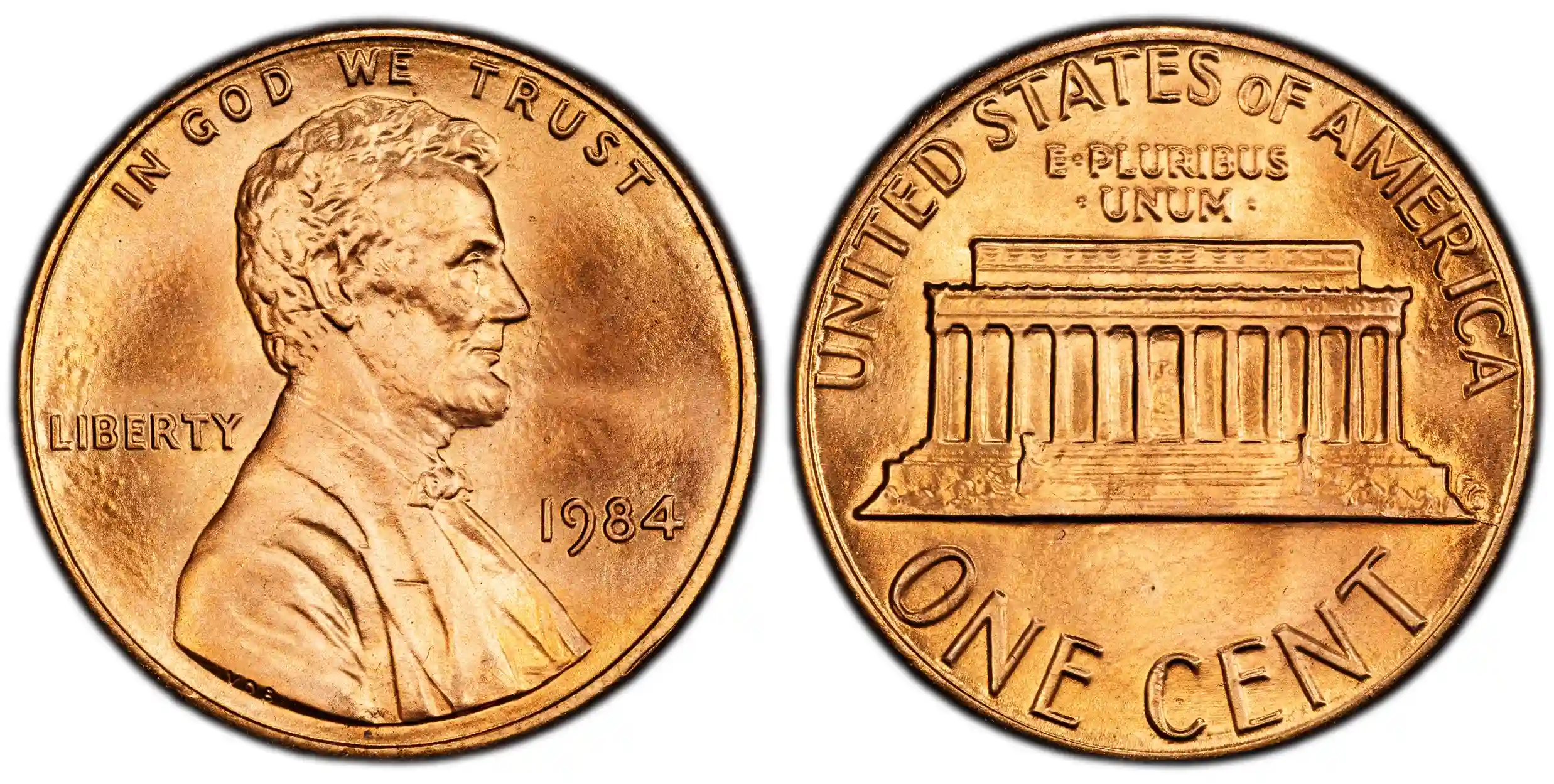
Common coins in poor condition cost $0.01. Standard coins with some wear sell for $0.02.
High quality coins reach $0.05 in local markets. Collectors look for specific features.
Perfect coins in MS68 grade sell for $500. These prices change based on metal base quality and coin state.
Most pennies come from huge production runs. Huge production leads to a low base 1984 penny value. Serious investors look for rare errors.
Condition remains the main price factor.
Parameter | Coin Value |
Weight | 2.5 grams |
Diameter | 19.05 millimeters |
Composition | 97.5% base metal, 2.5% copper |
Edge | Smooth |
Factors Defining Total Price
Surface quality decides the final price tag. Clean surfaces without scratches add value.
Correct storage helps preserve the mint shine. Humid air causes fast metal base damage.
Corrosion drops the price to $0.01. Original luster acts as a price multiplier.
Dirty coins lose 80% of potential value.
Market demand stays high for perfect coins. Rare errors create huge price spikes. Smart buyers check for small details.
Grade Influence on Value
Professional grading confirms the true coin state. Verified coins sell much faster. Reliable grades help keep the investment safe.
Grade | Estimated Price |
MS63 | $0.50 |
MS65 | $1.50 |
MS67 | $20.00 |
MS68 | $400.00 |
Major Variety: Double Die
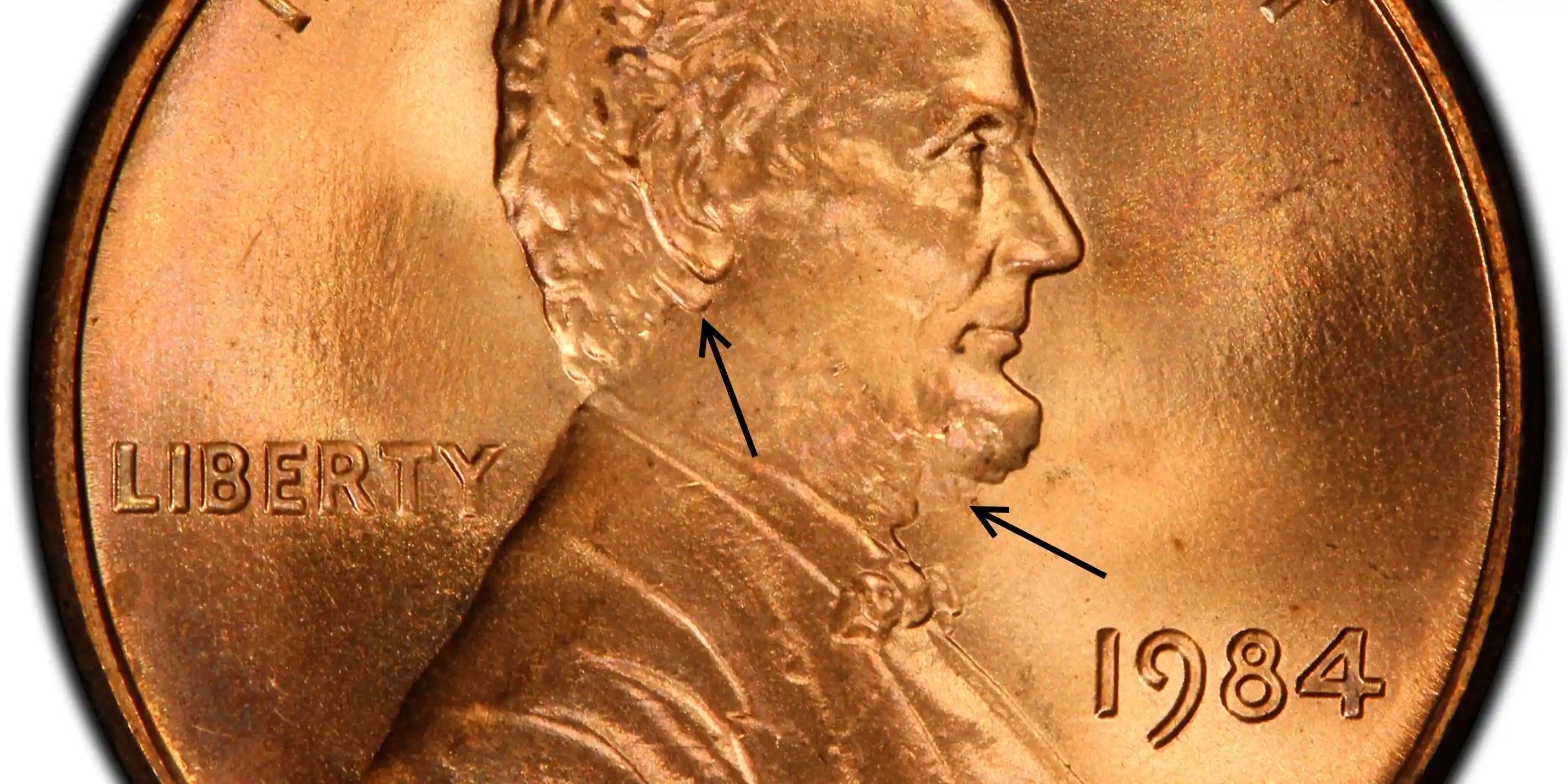
Double Die coins show strange design lines. These lines look like ghost images.
Double Ear 1984 pennies attract many buyers. Lincoln ear detail shows clear doubling. AU50 grade coins start at $80.00.
MS65 grade coins bring $250.00 to $400.00. Record auction sales for perfect MS67 coins hit $1200.00.
Market interest for this variety stays strong. Collectors pay top dollar for sharp images.
Other Production Errors
Production mistakes offer high profit potential.
Off-Center
Coins show off-center images on the disc.
10% off-center coins cost $5.00. 50% off-center coins with clear dates bring $150.00.
High percentages excite serious error collectors. Missing dates reduce price by 50%.
Die Crack
Cracked mint tools leave raised lines. Raised metal lines look like thin roots.
Small cracks add $2.00 to coin price. Deep and long cracks reach $5.00.
These errors happen during machine wear. Standard coins get these for free.
Mint Mark Price Differences
Philadelphia mint coins carry no mark. Denver mint items show small D marks under the date. Production location changes final market value slightly.
Collector demand dictates varying prices across different grades.
Mint Location | MS64 Price | MS65 Price | MS66 Price |
Philadelphia | $1.00 | $2.00 | $15.00 |
Denver | $1.50 | $3.00 | $20.00 |
Denver mint examples cost more money. Finding perfect D mark items requires extra time.
Small price gaps allow profitable arbitrage trading. Buying Philadelphia pieces at $1.00 saves investment capital. Selling Denver pieces at $3.00 brings steady profits.
Smart buyers check every mint mark before paying.
Bulk Lot Price Analysis
Investors buy cheap coins in massive bags. Sorting bank bags yields hidden high grade items. Bulk buying strategies reduce individual coin price.
Lot Size | Total Cost | Price Per Coin |
50 Coins | $1.00 | $0.02 |
500 Coins | $8.00 | $0.016 |
5000 Coins | $50.00 | $0.01 |
Big volume purchases save significant investment money. Processing large bags reveals rare production errors.
Finding one $5.00 error covers entire bag costs. Selling leftover standard coins returns the initial $50.00. Many dealers build businesses using this simple method.
Labor time remains the only real investment risk. Searching 5000 coins takes roughly ten hours.
Auction Price Records 2024-2026
Auction house platforms report rising sales figures constantly. Perfect condition coins hit new record prices frequently. High collector demand pushes maximum values up.
Coin Variety | 2024 Price | 2025 Price | 2026 Price |
Standard MS67 | $35.00 | $40.00 | $45.00 |
Double Ear MS65 | $250.00 | $280.00 | $320.00 |
Off-Center 50% | $150.00 | $180.00 | $220.00 |
Error coin prices show solid steady growth. Investors track these changing auction values daily. Rare defect pieces protect capital from market crashes.
Holding premium items ensures a 15% annual profit.
Value Change Dynamics
Double Ear coin demand shows steady growth.
2024 price: $280.00
2025 price: $320.00
2026 price: $380.00
Price growth confirms stable asset value. Investors enjoy this 35% growth rate.
Grading Process: Step-by-Step
Visual checking requires simple tools and care.
Study the coin field for small scratches
Check the mint luster status with coin-identifier.com
Look at the high parts of the Lincoln design
Search for rust or dark spots
Dull surfaces lose 70% of potential market price.
Deep scratches cut the price by 90%. Good eyes save money during the buying process.
Practical Advice for Owners
Avoid touching coin surfaces with bare fingers. Finger oils speed up metal base rot.
Special plastic cases block bad air. Paper holders keep coins away from dust.
Change holders every five years to keep things clean. Professional grading makes sense for $50.00 coins. Grading fees cost $20.00 per item.
Do not grade cheap common coins. Fees cost more than the coin market price.
Safe storage saves money long term.

Are you ready to take your fitness journey to the next level? High Intensity Interval Training (HIIT) is a powerful workout method that can help you transform your body in just 30 days. By incorporati...

Discover how to maximize your HIIT results with our comprehensive guide. Learn about the benefits, effective workouts, expert tips, and safety considerations to achieve your fitness goals with Transfo...
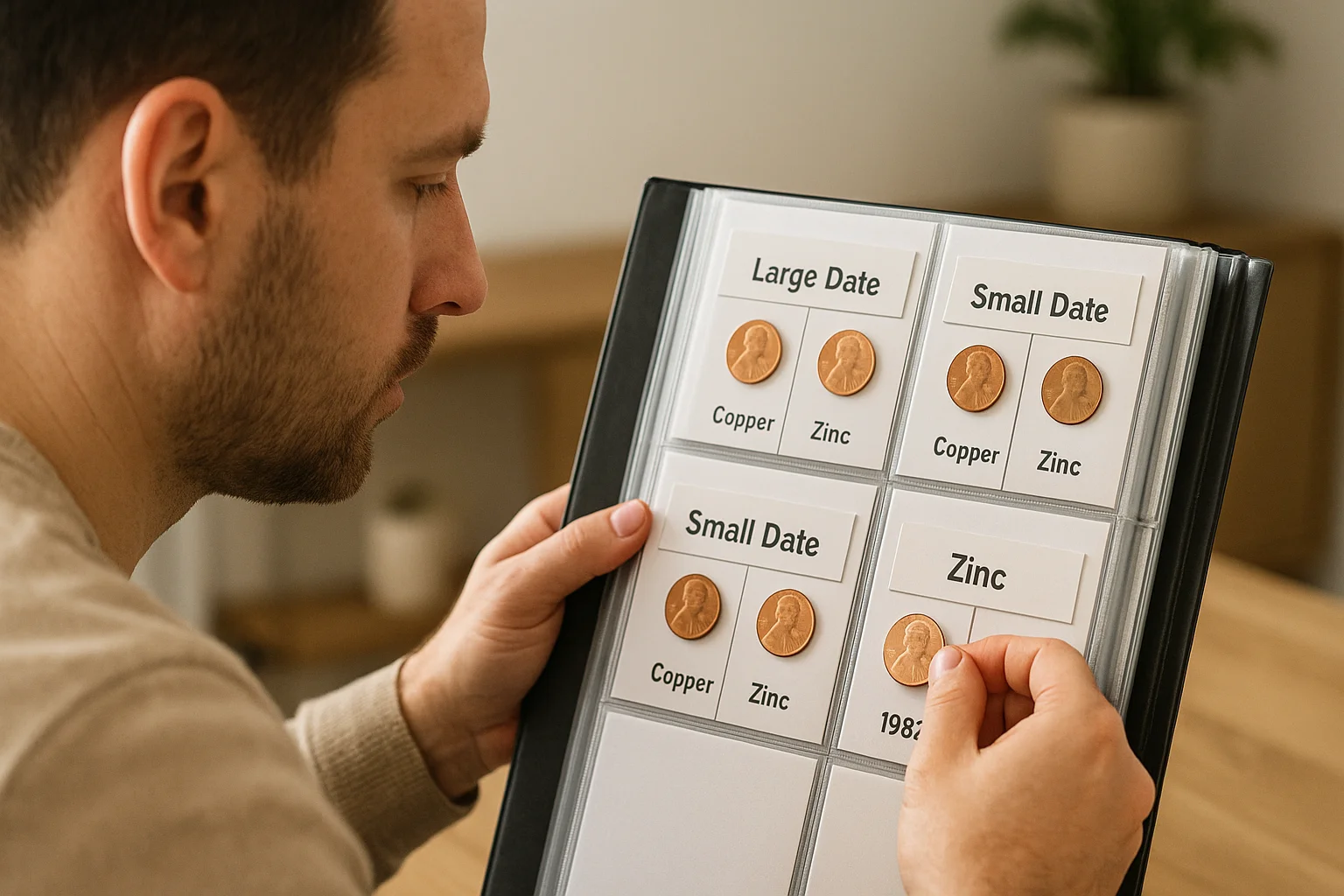
Discover the differences between 1982-D Lincoln penny varieties — copper vs. zinc, Large Date vs. Small Date. Learn how to spot the rare 1982-D Small Date Copper worth thousands, check weight, value...